YAKUSHIMA
Year
2026
Location
Yakushima, Japan
Project type
HoReCa
Status
Concept
Team
Kerimov Shamsudin, Timoshenko Sofya, Nigmatullina Diana, Yanbukhtina Milana, Yulia Ruchko, Denisovich Alina, Kozyreva Diana
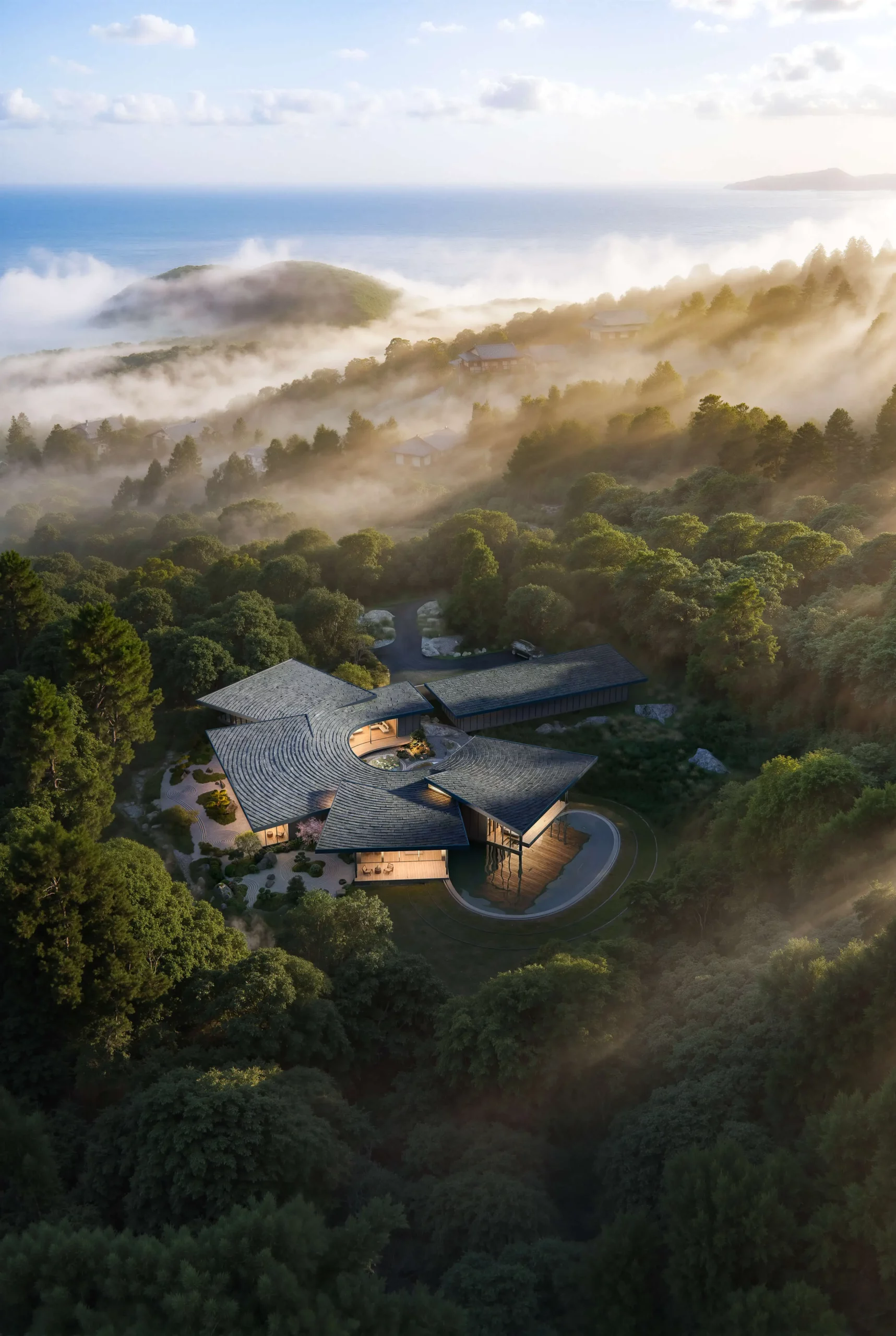
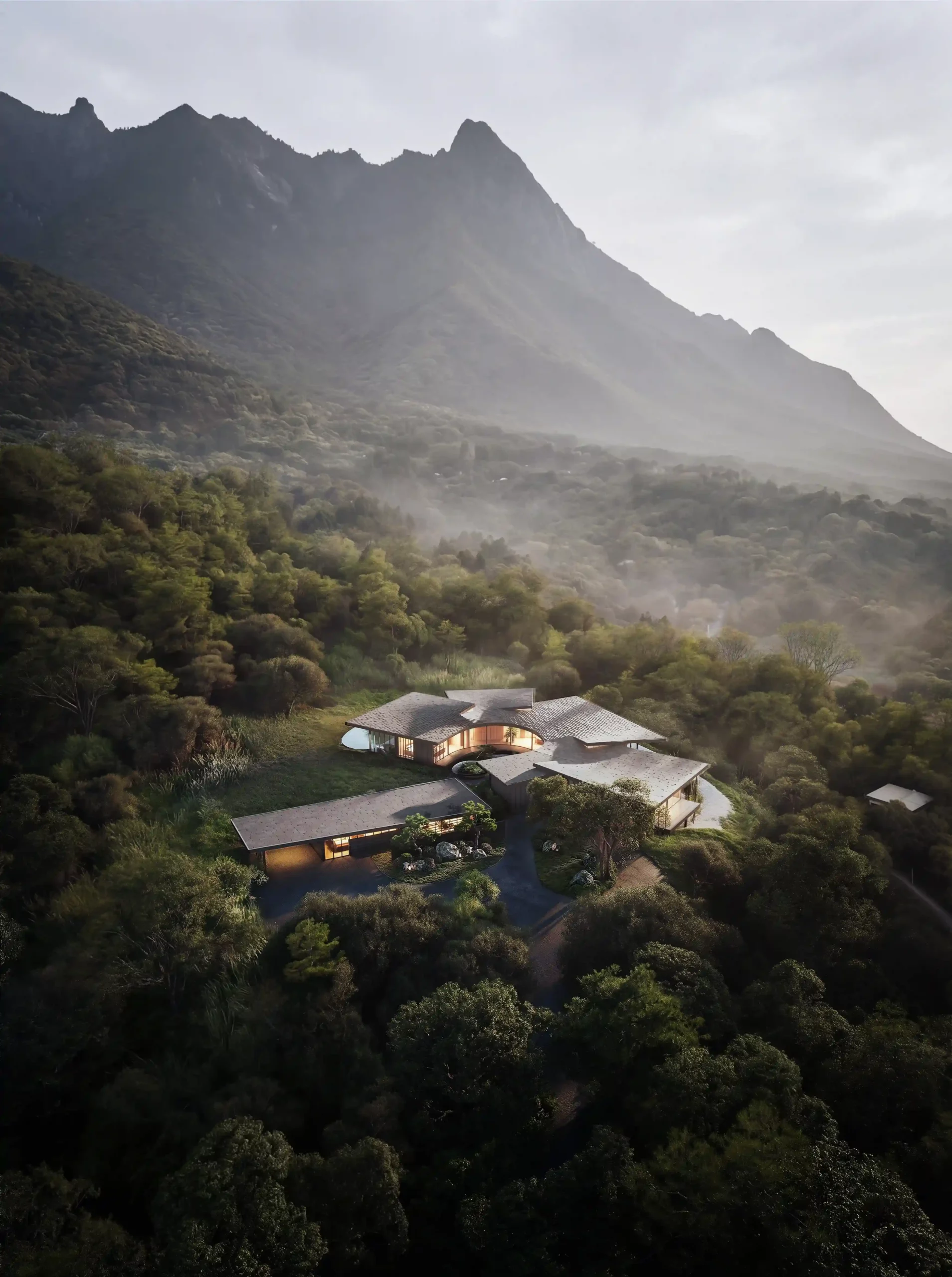
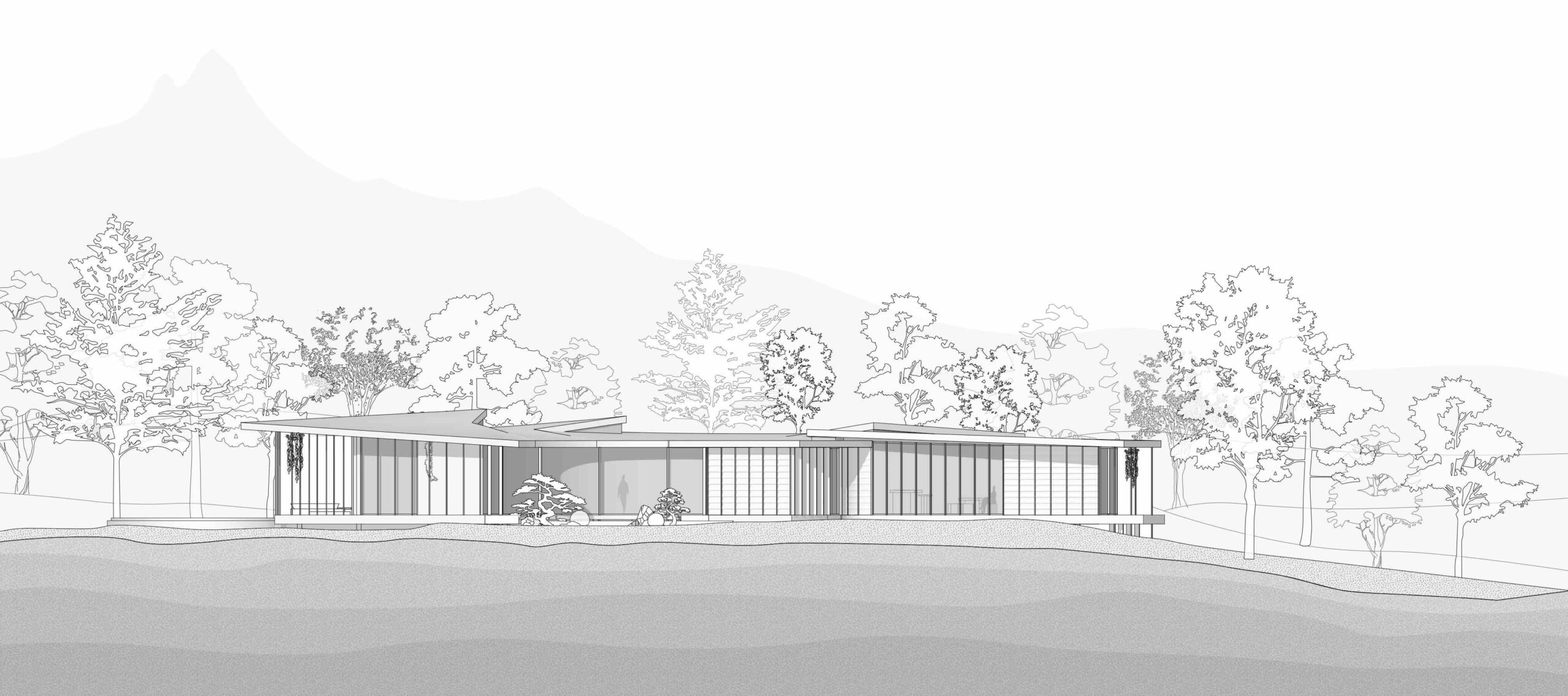
Nestled on an island of untouched nature, the project emerges as a quiet presence among ancient cedars. Rather than asserting itself over the landscape, the architecture gently settles into it, preserving the site's primordial tranquility and fostering a dialogue between the built form and its environment.
The Architecture of Void: The Concept of "Ma"
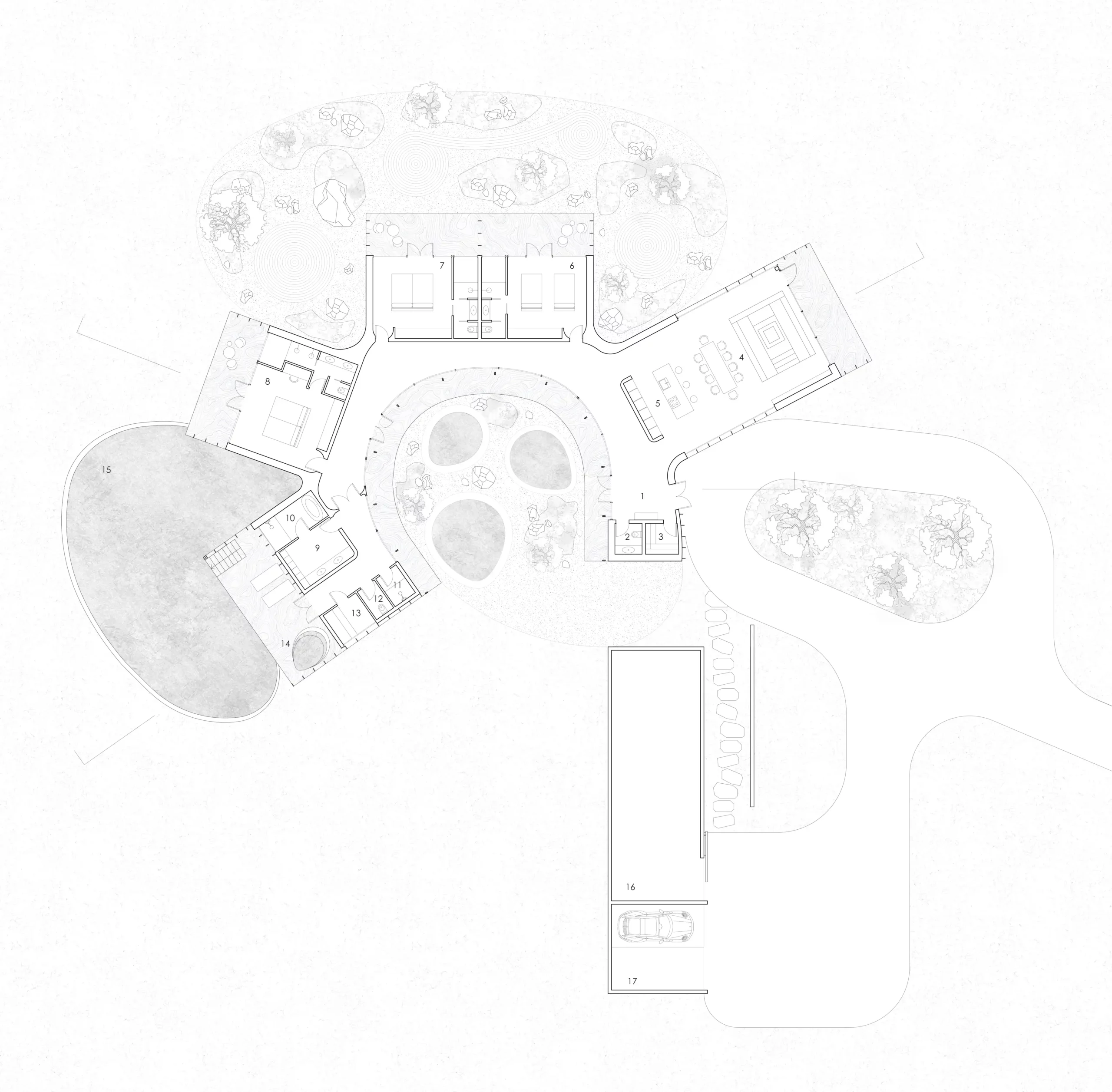
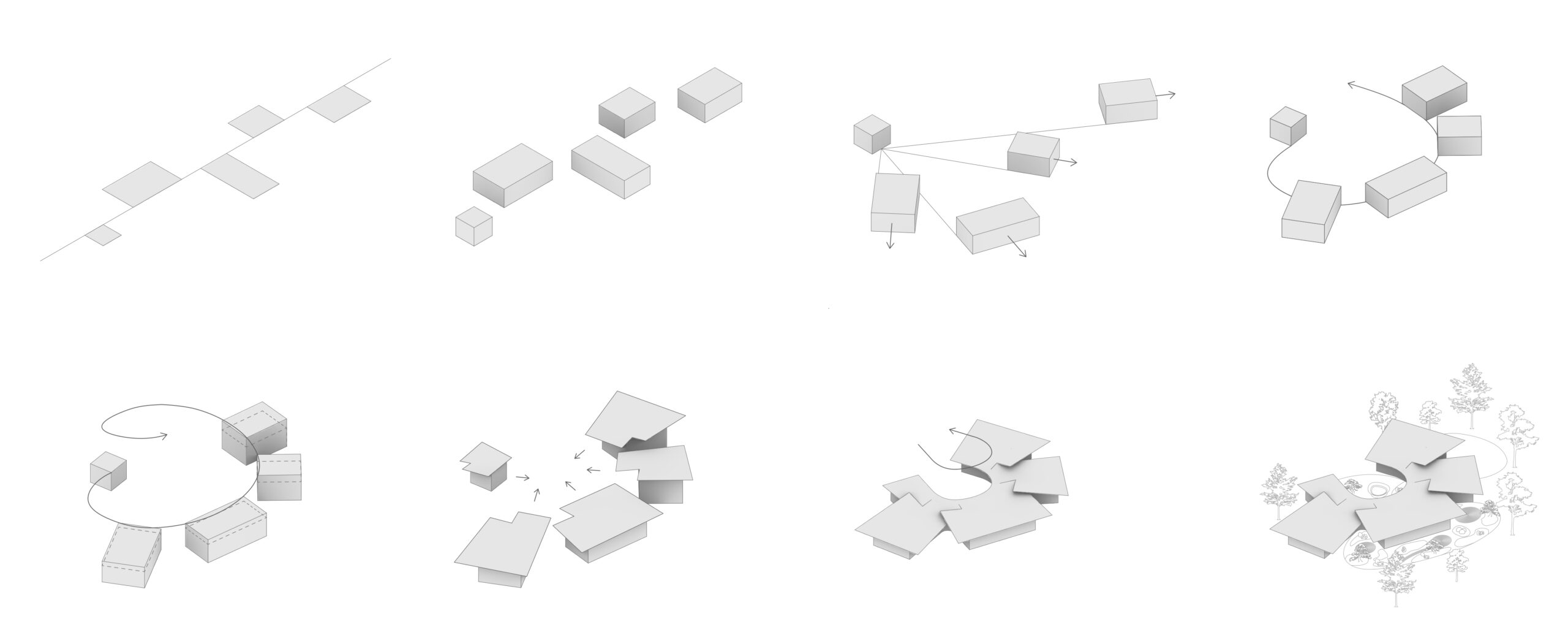
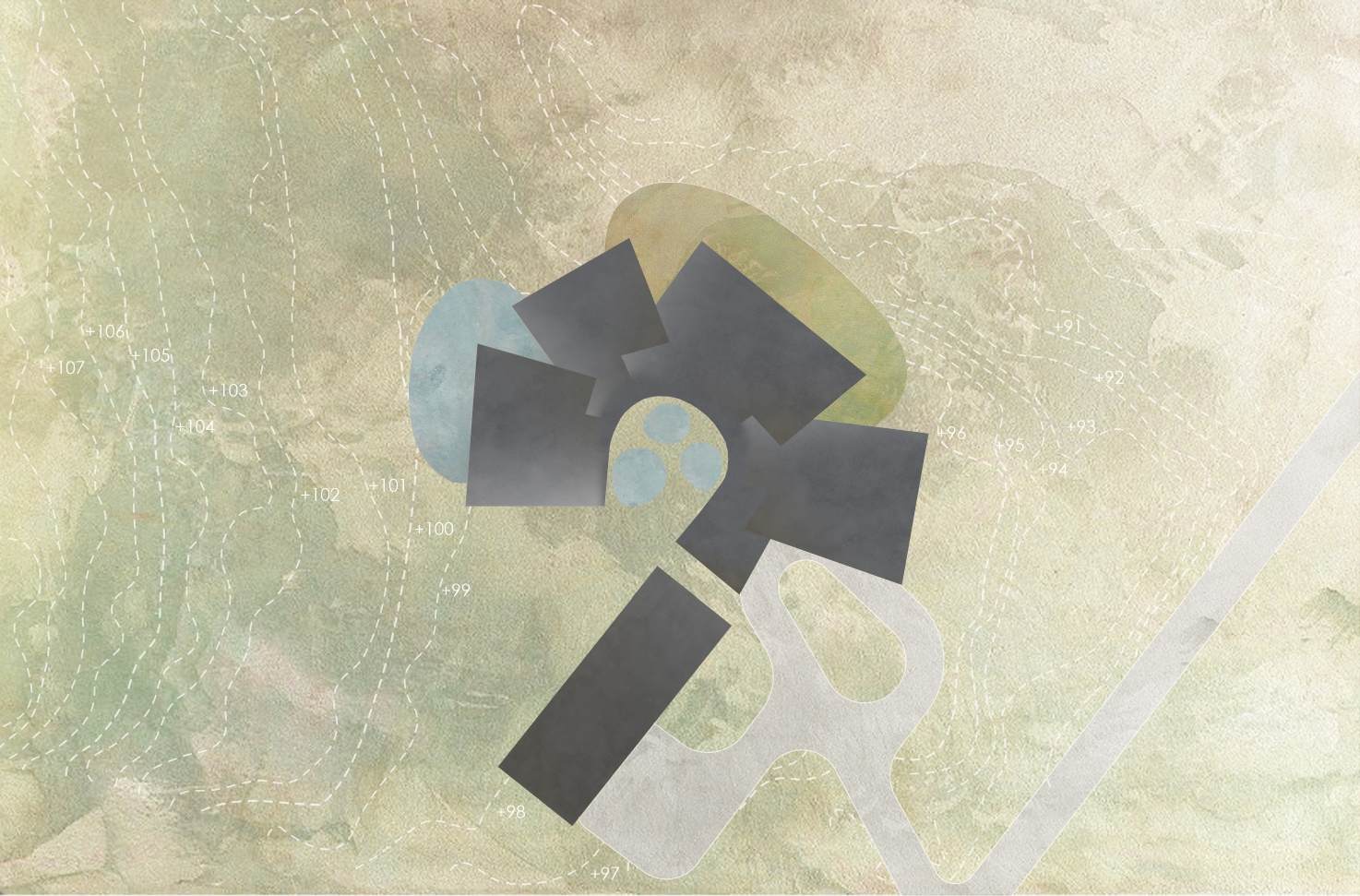
The design is guided by the Japanese principle of "Ma" (間) — the meaningful interval, the pause, the active void between elements. In this project, space is defined not only by rooms but by the moments between them. The spatial organization shifts from a linear sequence to a node-based system, where individual room-objects are connected through "void-events." These voids become spatial experiences in themselves, shaping movement, perception, and rhythm throughout the house.
Space and Nature
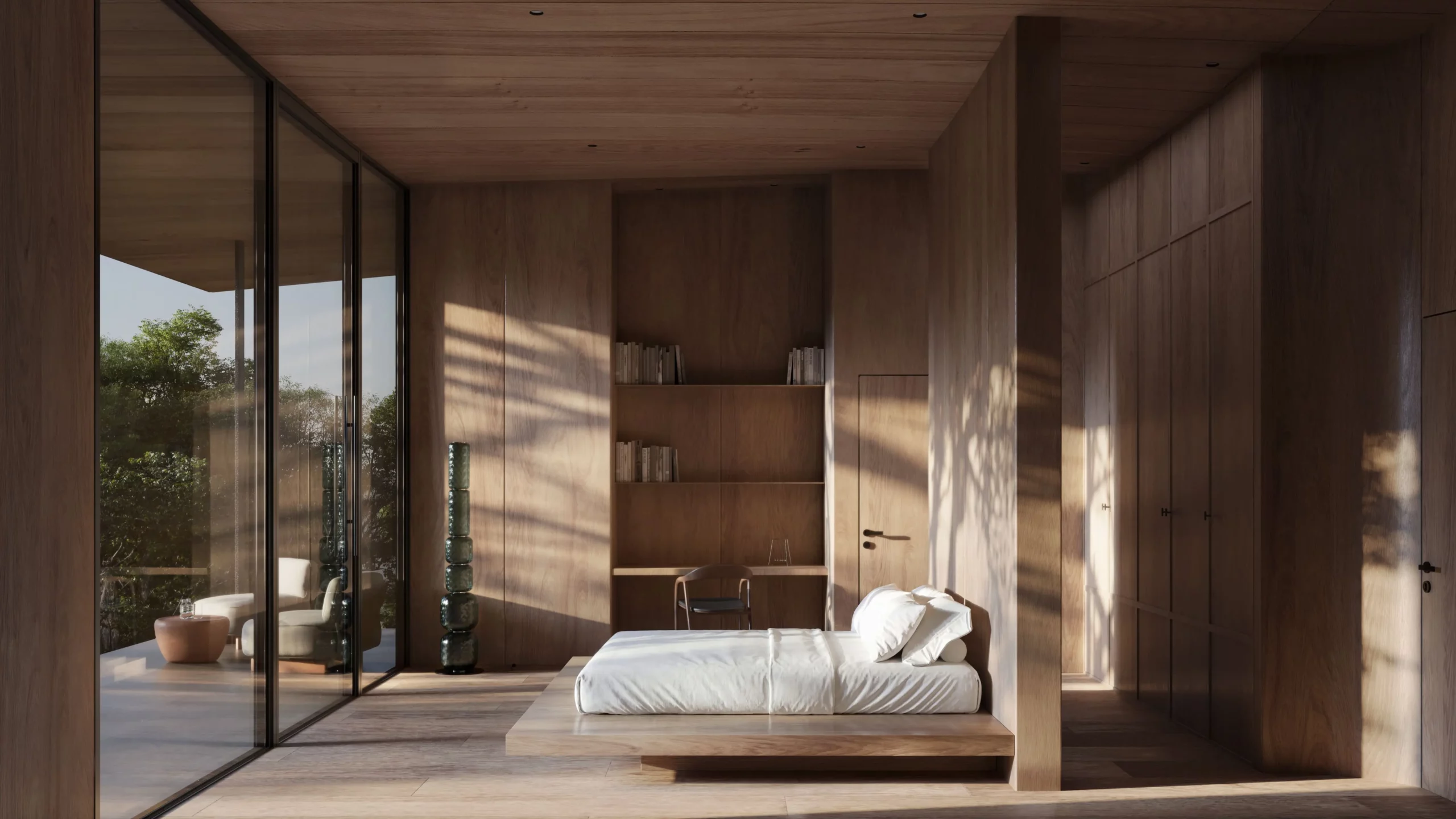
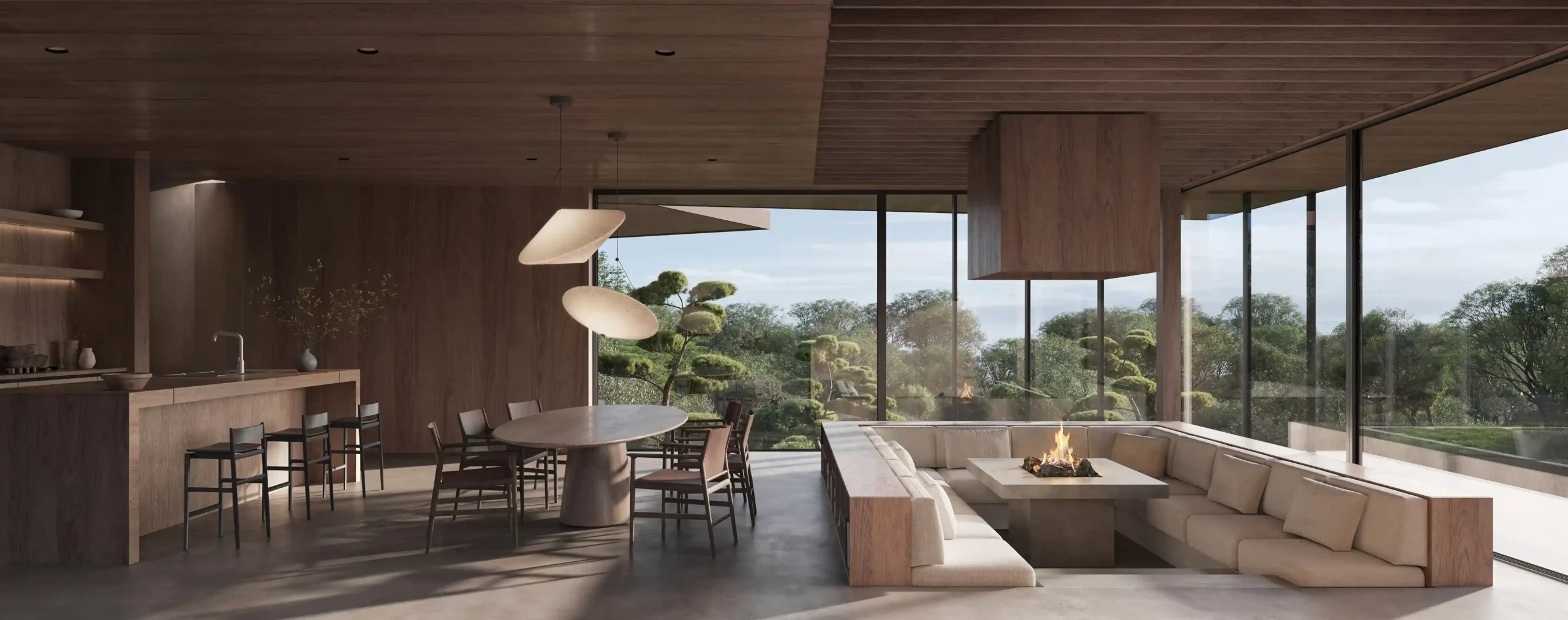
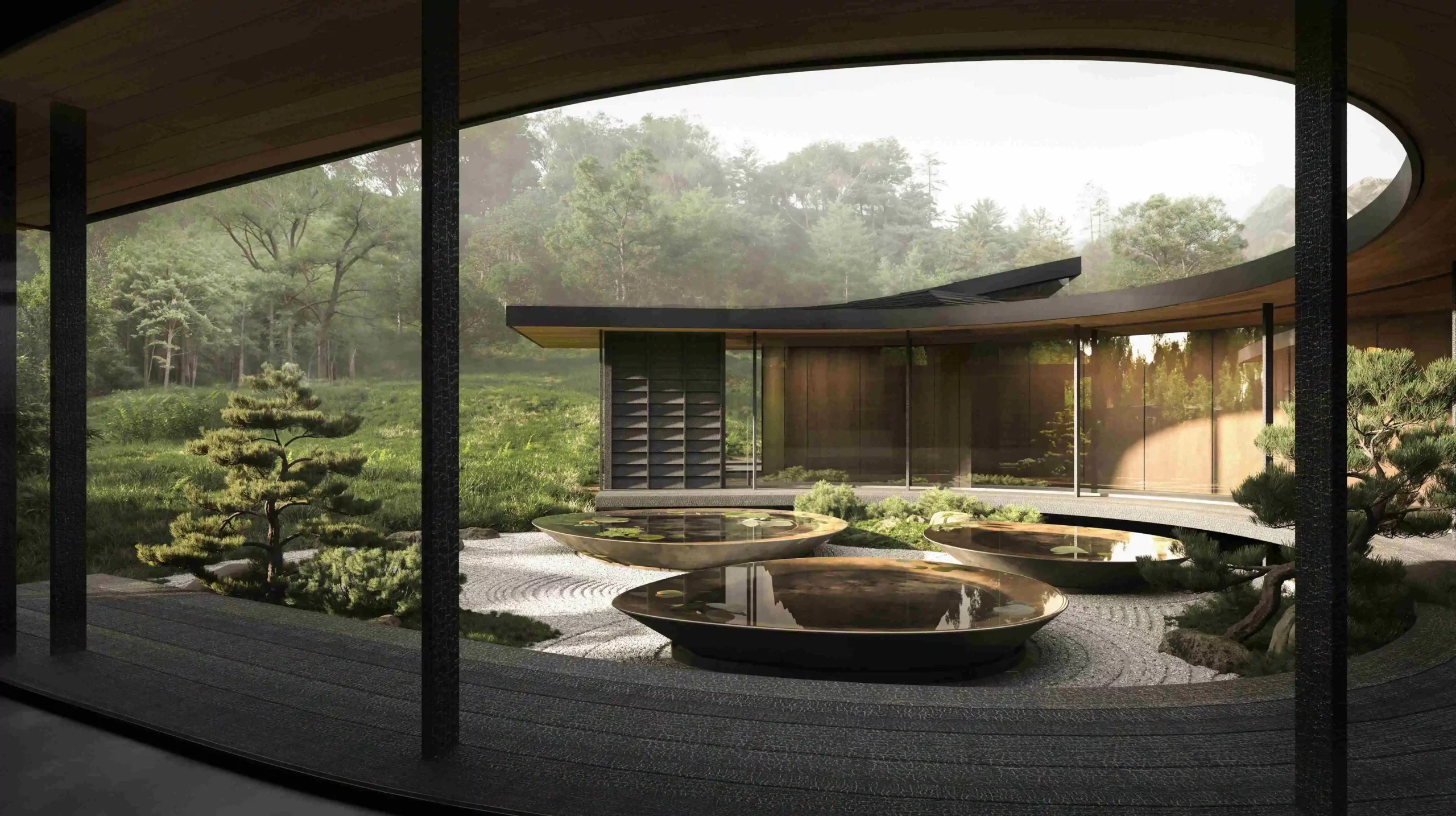
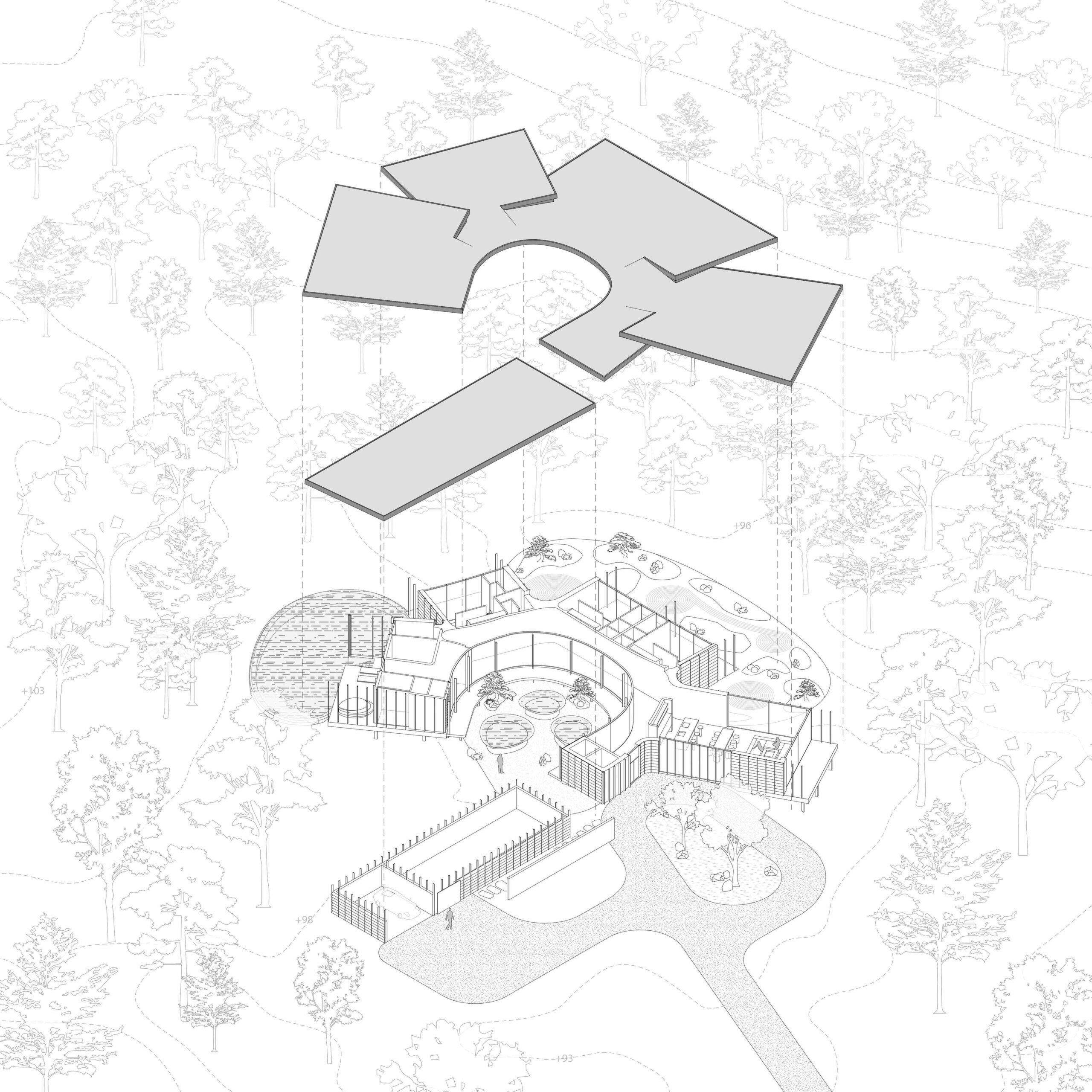
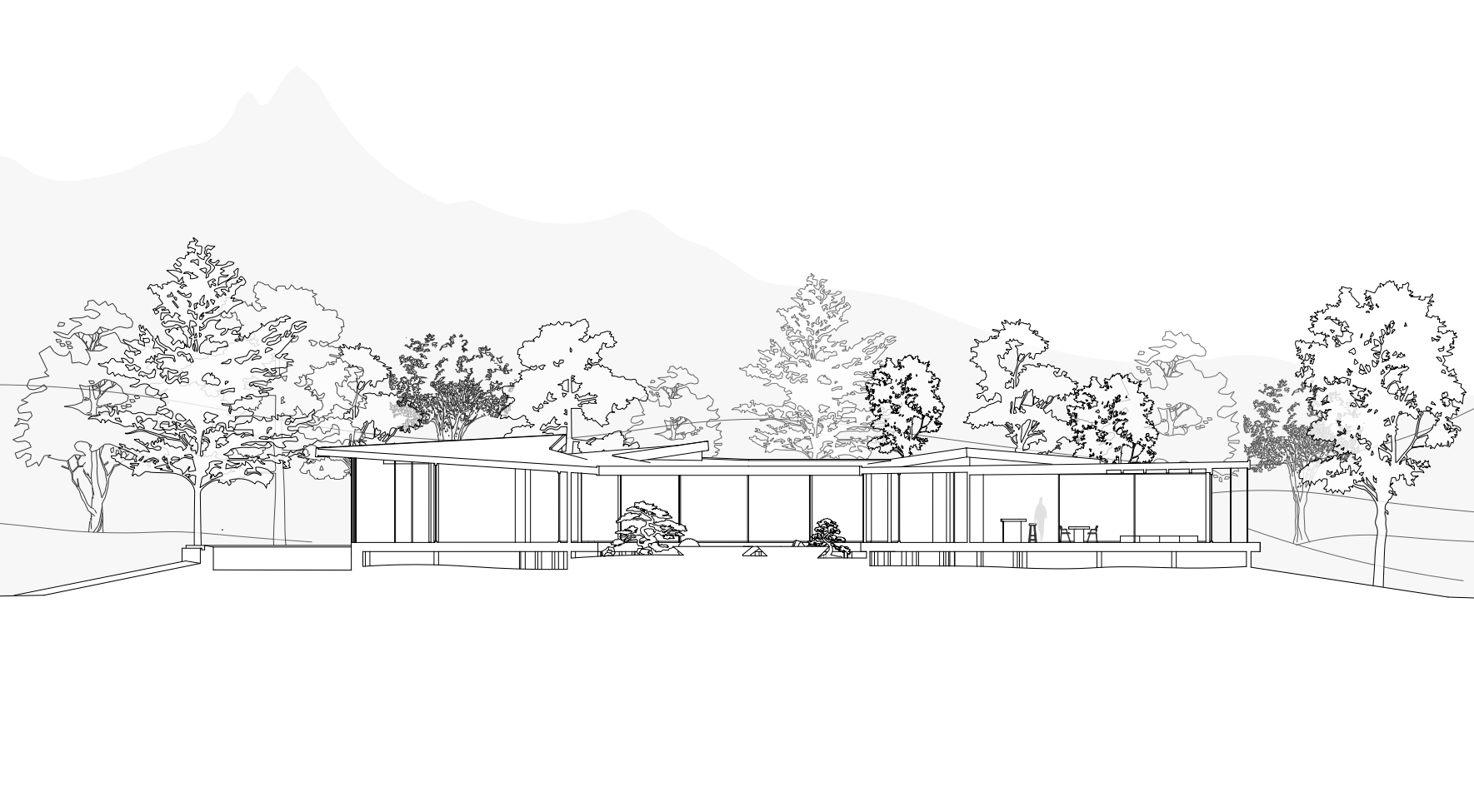
Each space is conceived with a specific function and a carefully framed relationship to nature, offering unique views and atmospheres. Together, these spaces revolve around an internal void — the central courtyard — embracing the beauty of incompleteness. This courtyard becomes the heart of the villa, a place for pause and contemplation around which all movement unfolds.
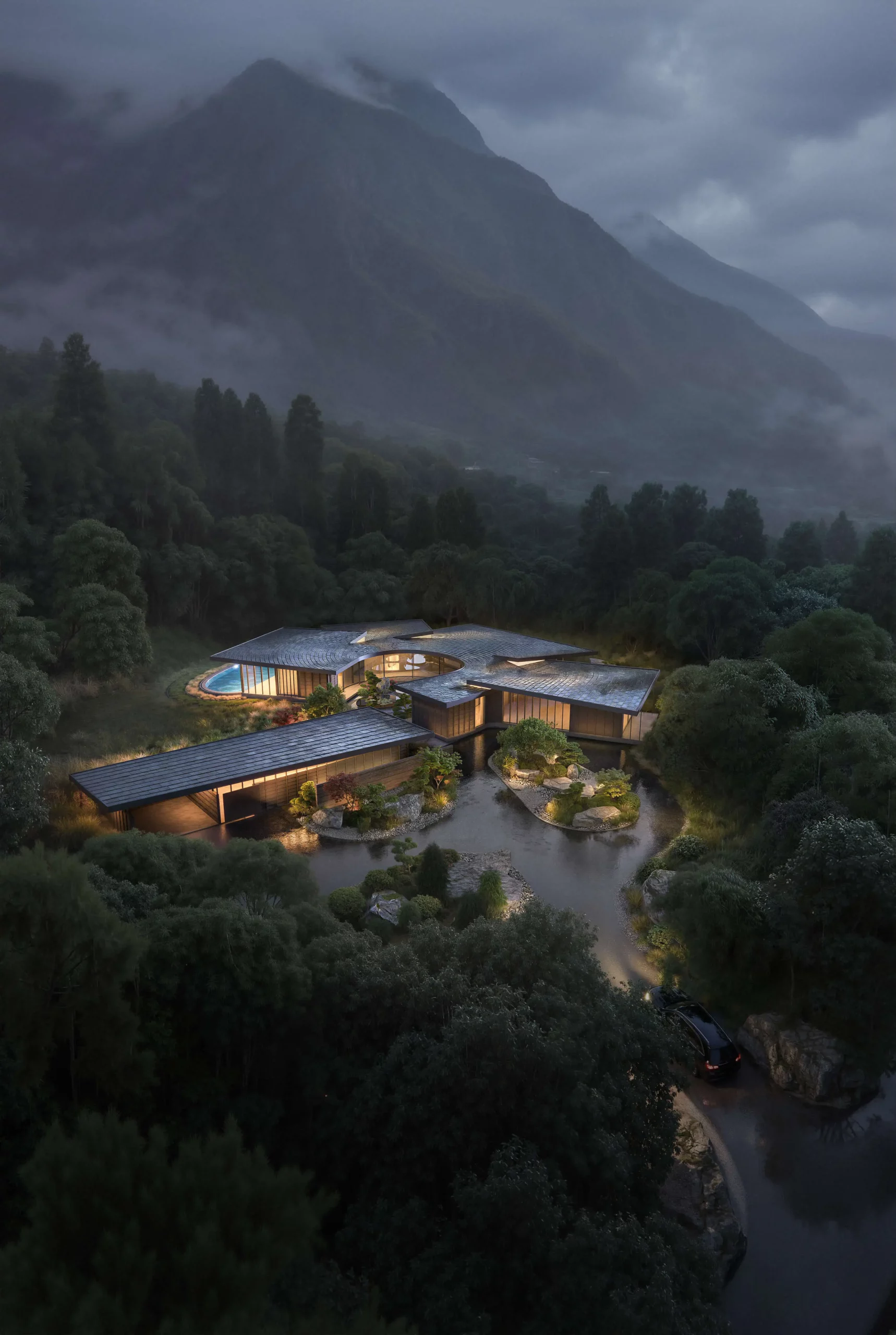
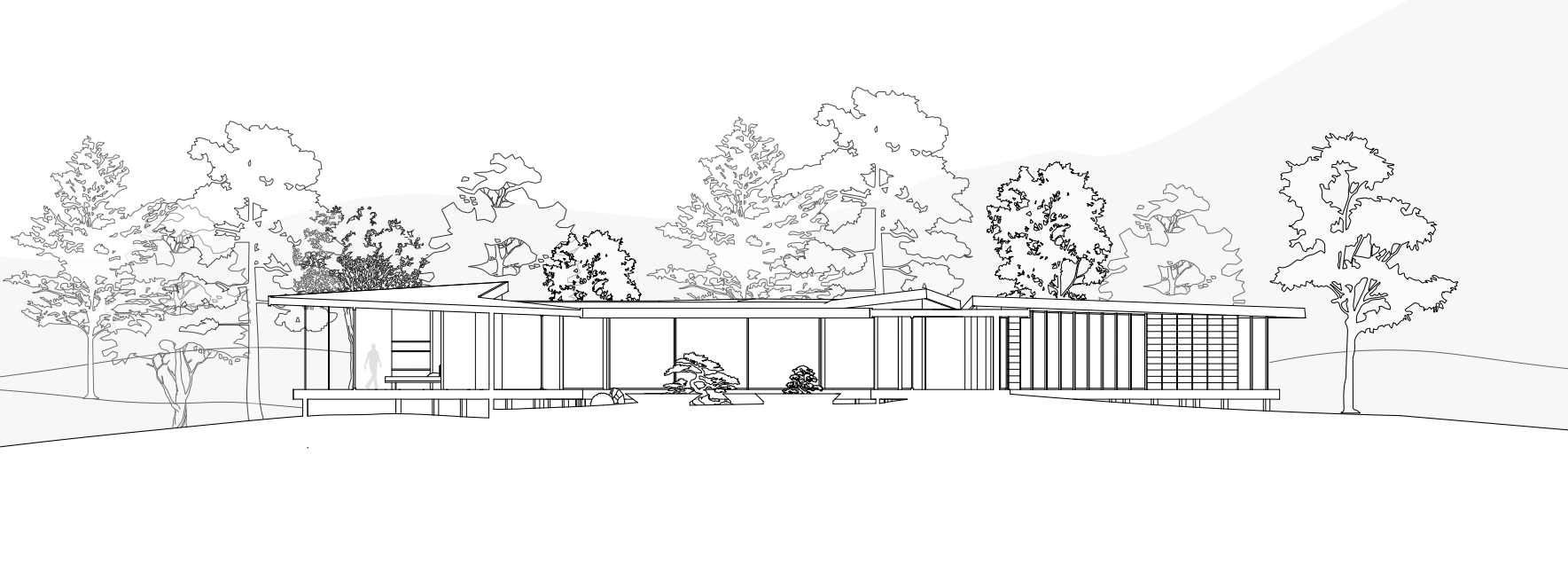
The roof plays a defining role in articulating the project's concept. Externally, each volume is covered with its own distinct roof, clearly expressing its individuality. Internally, however, the roofs merge into a continuous, fluid composition, visually and spatially uniting the villa into a single architectural organism.
In-Between Spaces
The final spatial experience of the villa is revealed through its courtyards, gardens, and transitional zones — spaces where architecture steps back and nature takes the lead.
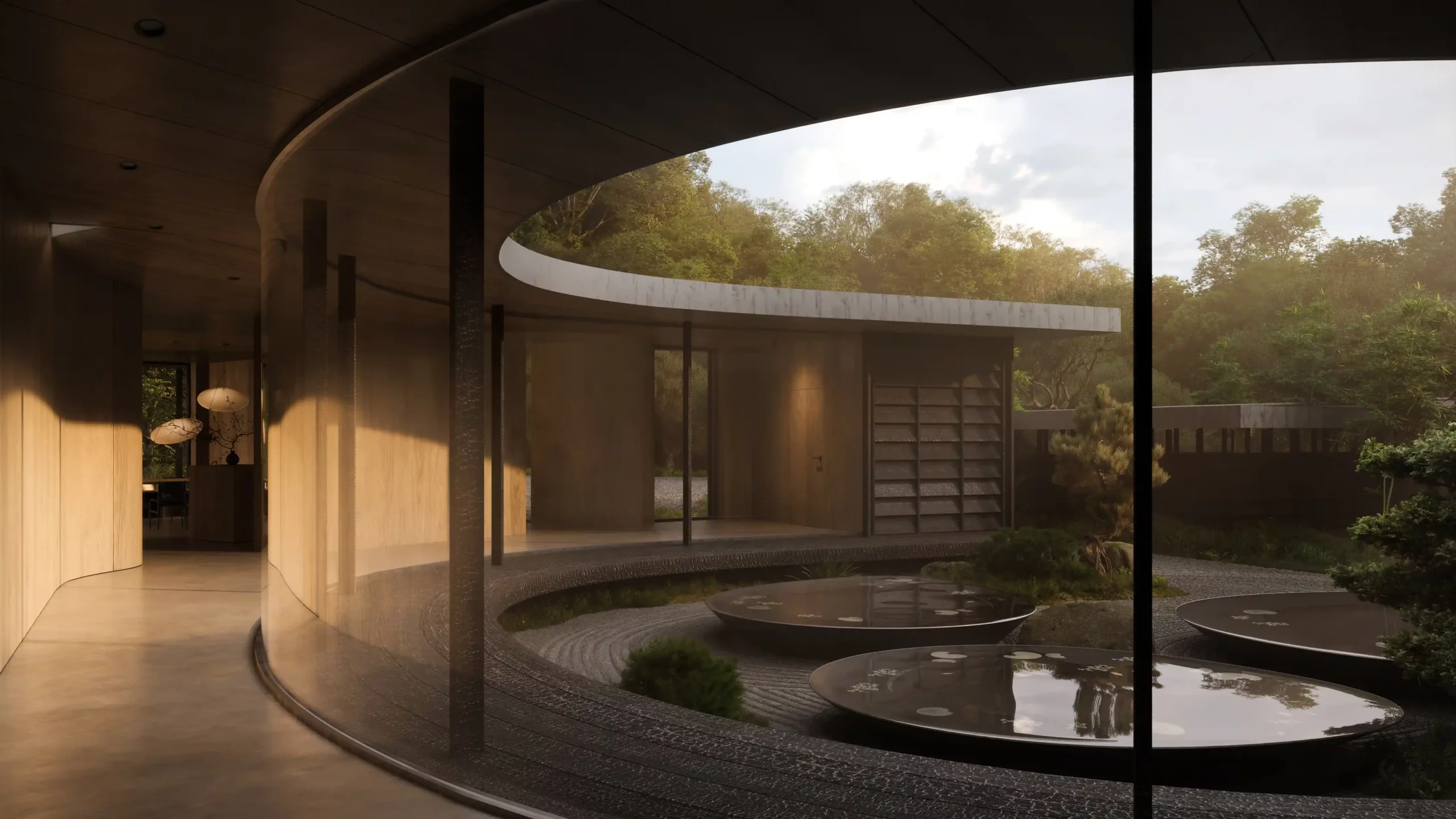
A traditional Japanese garden forms the core of the central courtyard, composed of water, stone, and vegetation. This inner landscape is perceived from multiple directions and levels, transforming the courtyard into a lived space rather than a visual backdrop.
A second, more intimate garden is positioned outside the central void, between the bedroom volumes, creating a quiet threshold that mediates privacy, rest, and the surrounding forest.
These outdoor rooms, together with circulation spaces, embody the essence of Ma: meaningful intervals that slow movement, frame views, and heighten spatial awareness.
Panoramic glazing surrounds both the courtyards and individual rooms, dissolving physical boundaries and allowing the forest, sky, and light to flow seamlessly into the interior. The spa area extends this dialogue further, opening toward an infinity pool that merges with the landscape and reinforces the sense of immersion. Throughout the villa, one remains constantly connected to nature, experiencing its presence from within a refined and tranquil interior.